I explore the role of religious institutions in shaping
behavior by experimentally varying the content of Friday
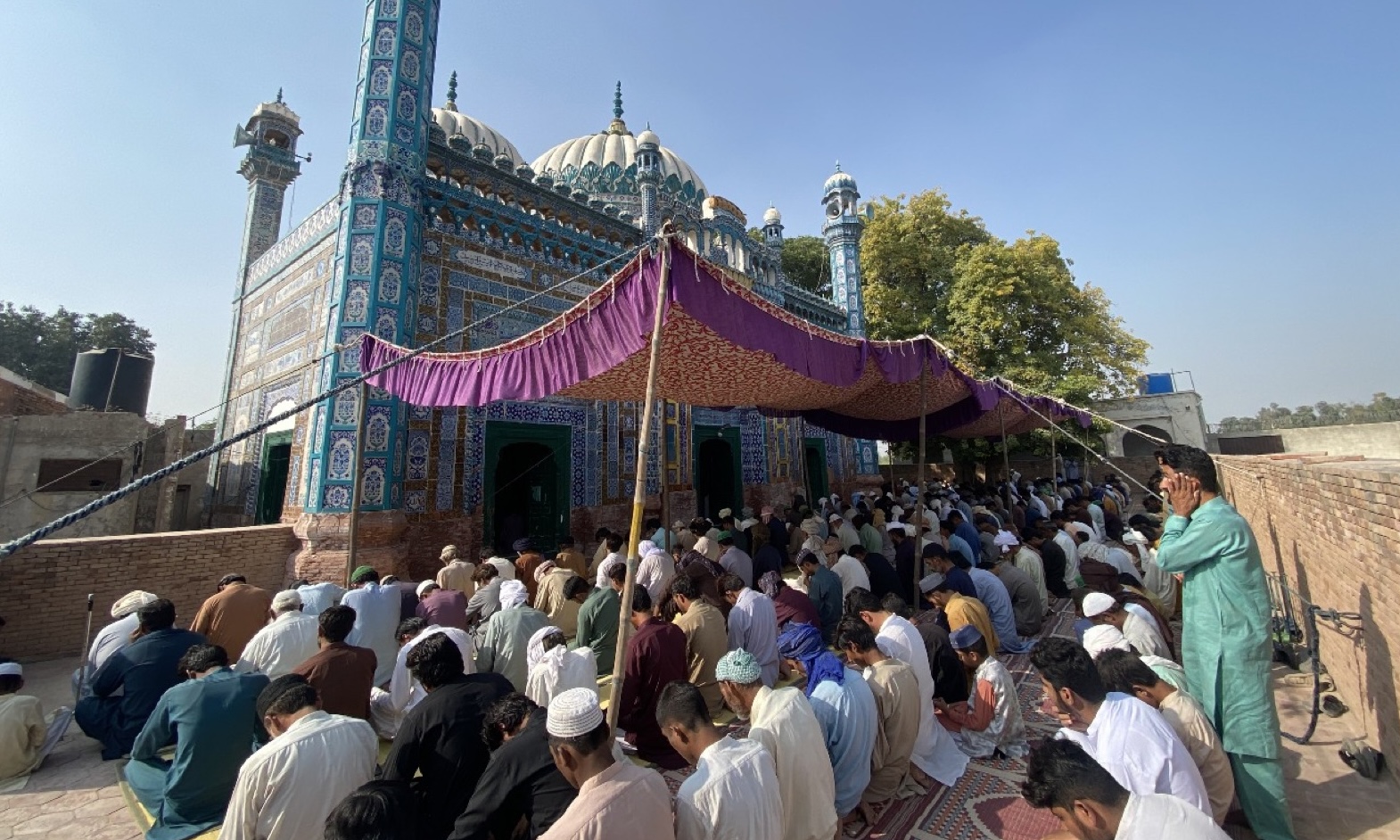
sermons — one of the most widespread forms of
in-person religious persuasion in the Muslim world —
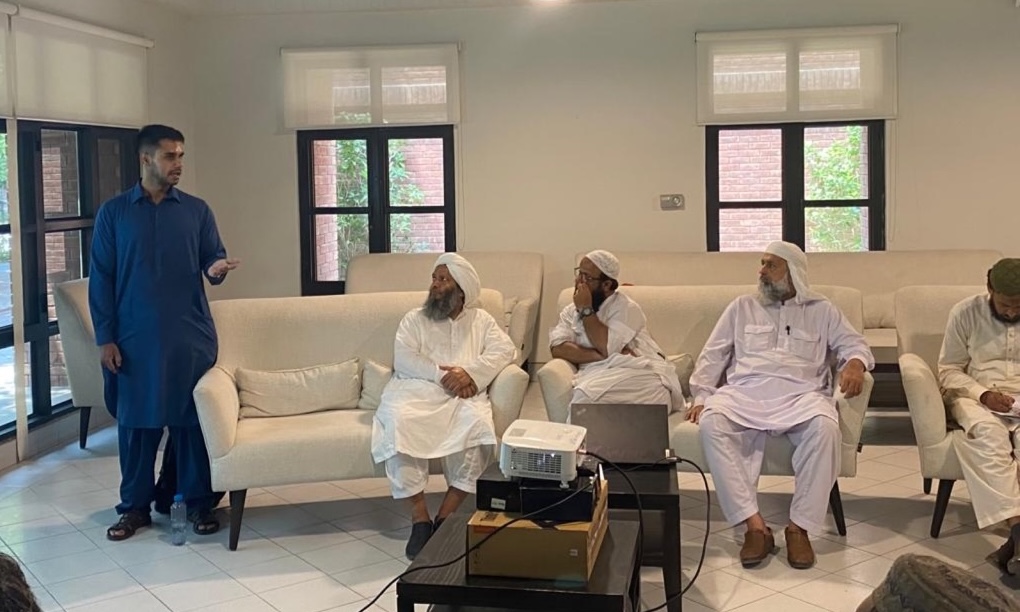
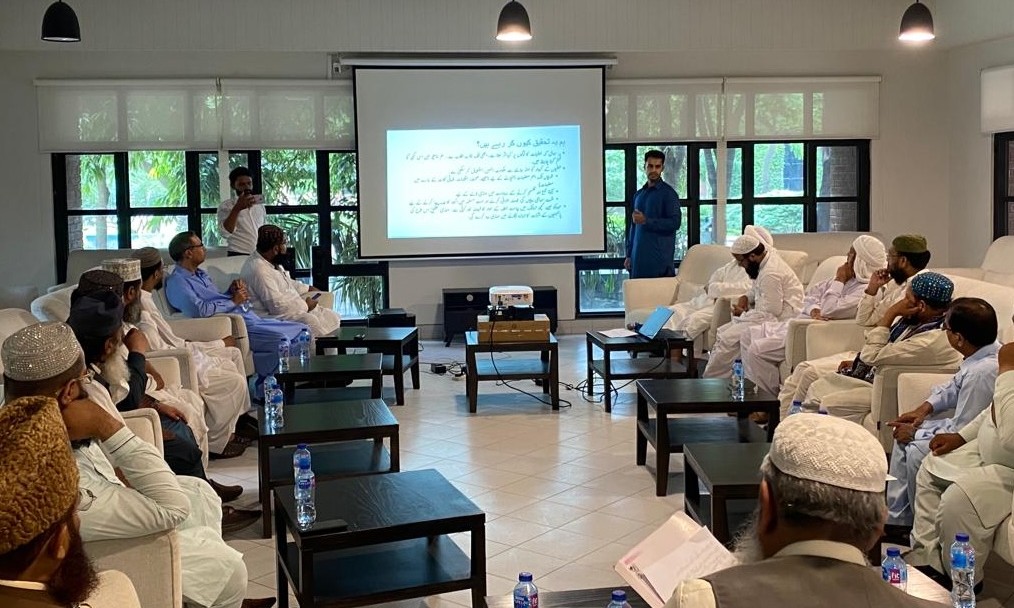
in 309 mosques in Pakistan. Working with the Punjab Auqaf
Department that administers state religious properties, I
randomize mosques to deliver sermons on women’s
rights, neighbors’ rights, or a control condition,
with additional variation in whether the arguments used are
religious or secular. I find sizable impacts of
women’s rights sermons (0.23 SD) and neighbors’
rights sermons (0.19 SD) on men’s behavior as measured
through lab-in-field games, field behavioral measures, and
survey responses 2–4 weeks after treatments. I find
suggestive evidence that effects extend indirectly to wives,
who do not hear sermons themselves and yet report more
prosocial beliefs. The effectiveness of religious
leaders’ messaging derives at least partly from the
types of arguments made as sermon content is more persuasive
when grounded in religious arguments for women’s
rights but in secular arguments for neighbors’ rights.
Examining equilibrium dynamics, I document supply-side
persistence in prosociality of sermon content alongside
demand-side backlash as evidenced by a 20% decline in
attendance numbers at mosques that received sermons on
women’s rights that persists in the long run. These
findings highlight the centrality of religious institutions,
such as the Friday sermon, in shaping behavior in low-income
settings.
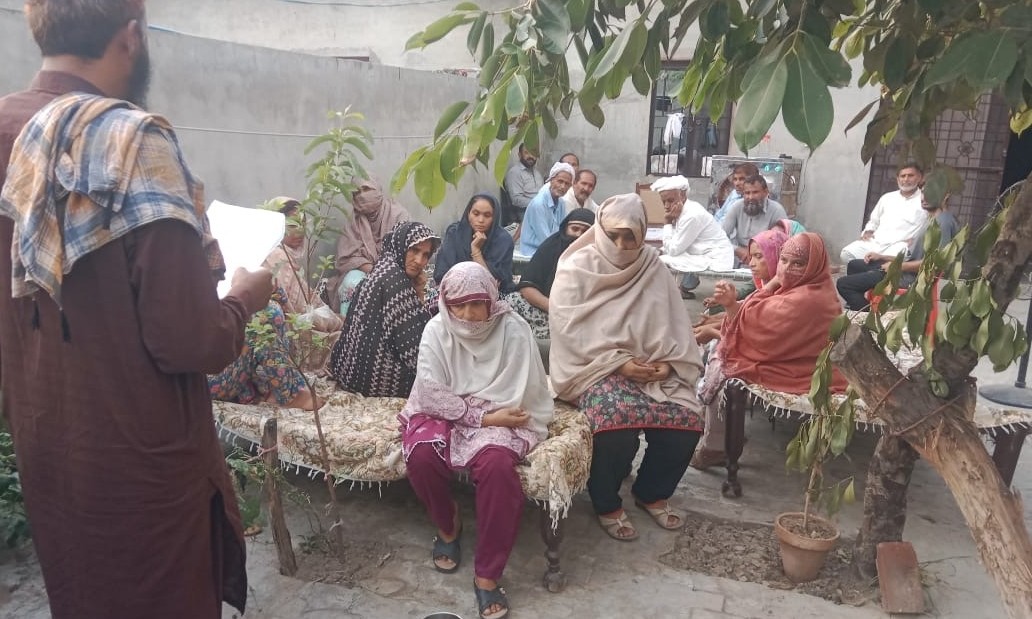
Low trust in secular state institutions can limit the
effectiveness of informational interventions among religious
populations. Recent work has suggested the potential for
religious leaders to be utilized for information
dissemination, but research directly comparing the efficacy
of religious with secular leaders is lacking. Moreover, what,
if any, are the unintended consequences of utilizing
religious leaders as frontline agents tasked with achieving
state goals? In this project, I explore the educational role
of local leaders and compare the ability of local religious and
secular leaders to encourage positive health behaviors in the
context of a state-sponsored handwashing campaign in Punjab,
Pakistan. In collaboration with the Pakistan Ministry of
Health, I randomize Pakistani couples to meetings with either
their local health worker or religious leader and then
evaluate changes in hand hygiene, handwashing behavior, and
beliefs about handwashing. Through lab-in-field games, I
explore the micro-foundations for separation of Church and
State by evaluating whether reliance on religious leaders for
information dissemination makes them the preferred choice for
information in the future, even on secular topics. In doing
so, this work sheds light on the benefits and pitfalls of
using religious leaders to achieve policy goals through
state-sponsored information campaigns.
The Market for Religious Content: Evidence from Friday Sermons in Pakistan
What drives religious content? In this project, I explore
this question from both the demand and supply side in the
context of mosques in Punjab, Pakistan. On the demand side, I
provide congregants with “content information”
(i.e. sermon content of nearby mosques) or “mosque
information” (i.e. amenities and congregation
characteristics of nearby mosques) and evaluate impacts on
mosque choice. On the supply side, I provide religious leaders
with “market information” (i.e. congregants’
preferences and sermon content of nearby mosques) or
“top-down information” (beliefs of senior
religious leaders) and look at endogenous changes to sermon
content. Results have implications for policymakers
seeking to understand the drivers of local hate speech and
polarization and ways in which increased information can
reduce the influence of controversial leaders.
Why Families Pay: Misperceptions and the Persistence of Dowry
with Abdullah Shahid
Dowry payments routinely amount to several times a
household’s annual income in many developing contexts,
pushing families into debt and inviting marital violence on
daughters. Existing work has largely neglected the role of
beliefs in helping explain the persistence of dowry, despite
how beliefs about what other households privately think of
the practice, the religious acceptability of dowry, and what
the payment buys a daughter, are crucial to the decision of
how much to give and may each be systematically skewed.
Working with a sample of households with soon-to-marry
daughters in rural Punjab, Pakistan, we document the extent
to which such misperceptions exist and whether information
correcting beliefs can shift dowry decisions. We document
misperceptions by comparing individuals’ beliefs to
ground truths constructed from surveys of the local
population, randomize households to a correction of each of
these three beliefs, and evaluate changes in realized dowry
payments. Results have implications for the optimal design of
anti-dowry policy.
Mapping out Property Rights and Informality in Indonesia
with Maisy Wong and Nina Harari
Harvard University
Ec 10B: Principles of Macroeconomics
for David Laibson and Jason Furman
Spring ’24, ’25, ’26